Reform and Openness
Mikhail Gorbachev became leader of the Soviet Union in 1985, introducing radical reforms through his policies of glasnost (openness) and perestroika (restructuring). These reforms had a significant impact on the Soviet space program, transforming it from a secretive, competitive enterprise into one focused on international cooperation. The shift reshaped the historical context in which the program operated.
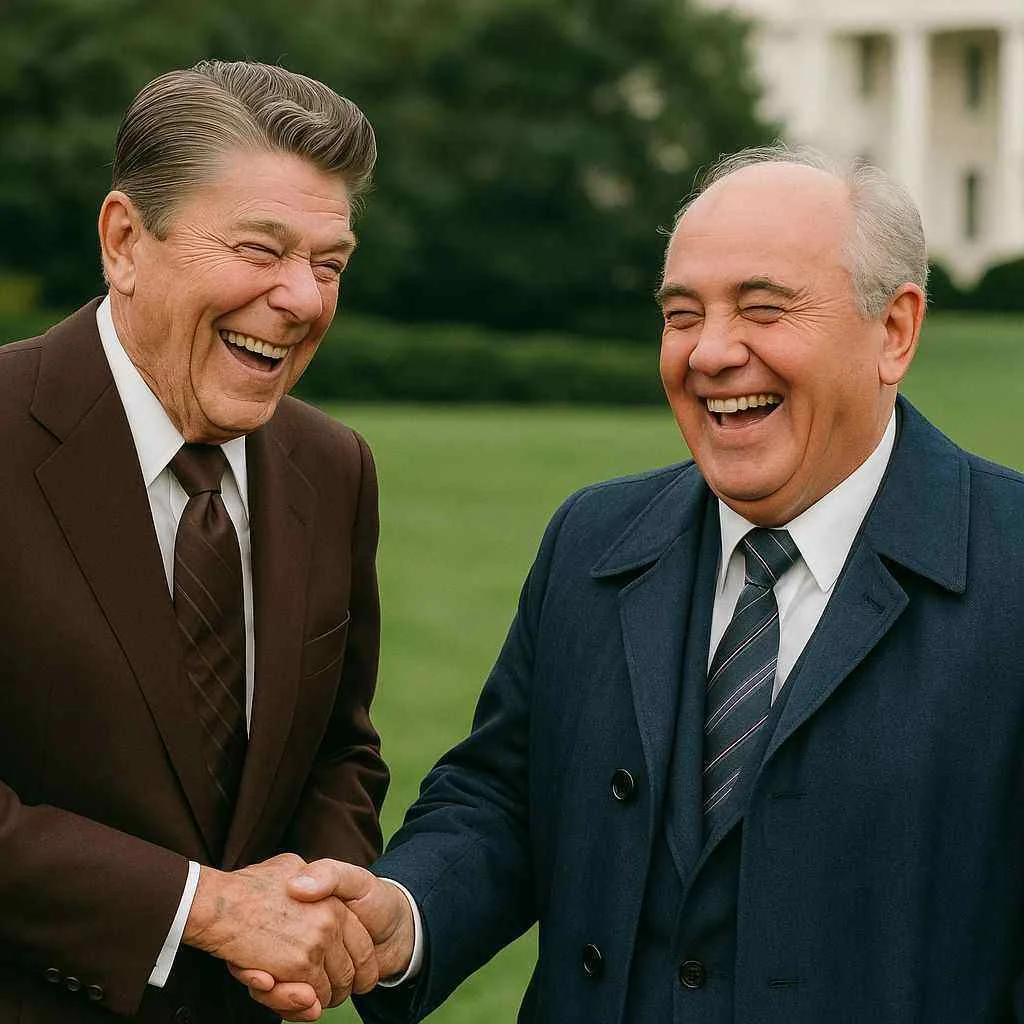
Under his leadership, the Soviet Union began to openly share information about its space program and seek partnerships with other nations, particularly the United States. This new approach broke from the Cold War competition of earlier decades and would lay the groundwork for future international space collaboration.
Space Program Changes
- Increased transparency
- International partnerships
- Commercial space activities
Major Initiatives
- Mir-Shuttle program
- Joint space missions
- Technology sharing agreements
International Cooperation
One of the most significant developments under Gorbachev was the agreement to allow U.S. Space Shuttles to dock with the Mir space station. This cooperation marked a dramatic shift from the competitive nature of the Space Race and demonstrated the potential for international collaboration in space exploration.
The Mir-Shuttle program became a symbol of the new relationship between the United States and the Soviet Union, paving the way for future joint projects like the International Space Station. During these same years the Soviet Union pressed ahead with its own ambitious rocket development, fielding the heavy-lift Energia launcher and the Buran shuttle.
Legacy in Space
Although Gorbachev's tenure ended with the dissolution of the Soviet Union in 1991, his policies had a lasting legacy in space exploration. The international partnerships he fostered continued under the Russian space program, leading to the successful cooperation we see today on the International Space Station. In this respect his reforms departed sharply from the inward-looking approach of his predecessor Leonid Brezhnev.
His emphasis on openness and cooperation transformed space exploration from a field of Cold War competition into an arena for international collaboration, setting a precedent that continues to influence space policy and exploration in the 21st century.