Leadership Era
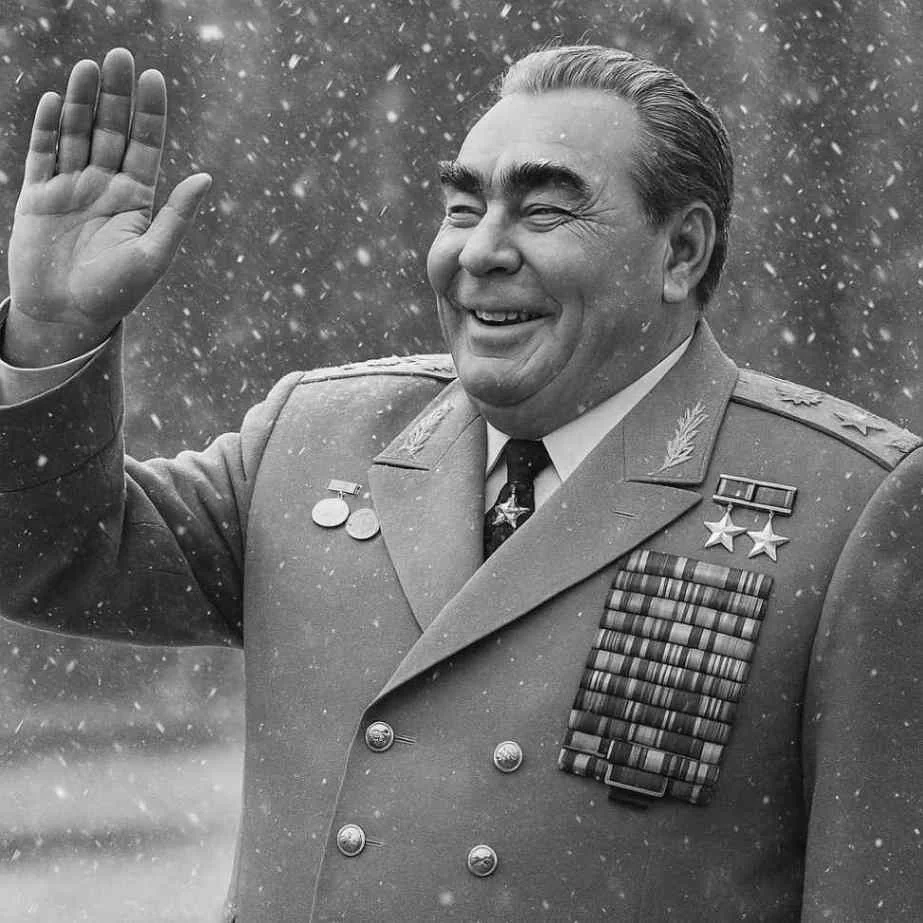
Leonid Brezhnev came to power in 1964 following the removal of Nikita Khrushchev. His eighteen-year tenure as leader of the Soviet Union was marked by political stability, economic stagnation, and significant developments in the space program that reshaped the historical context of the Cold War.
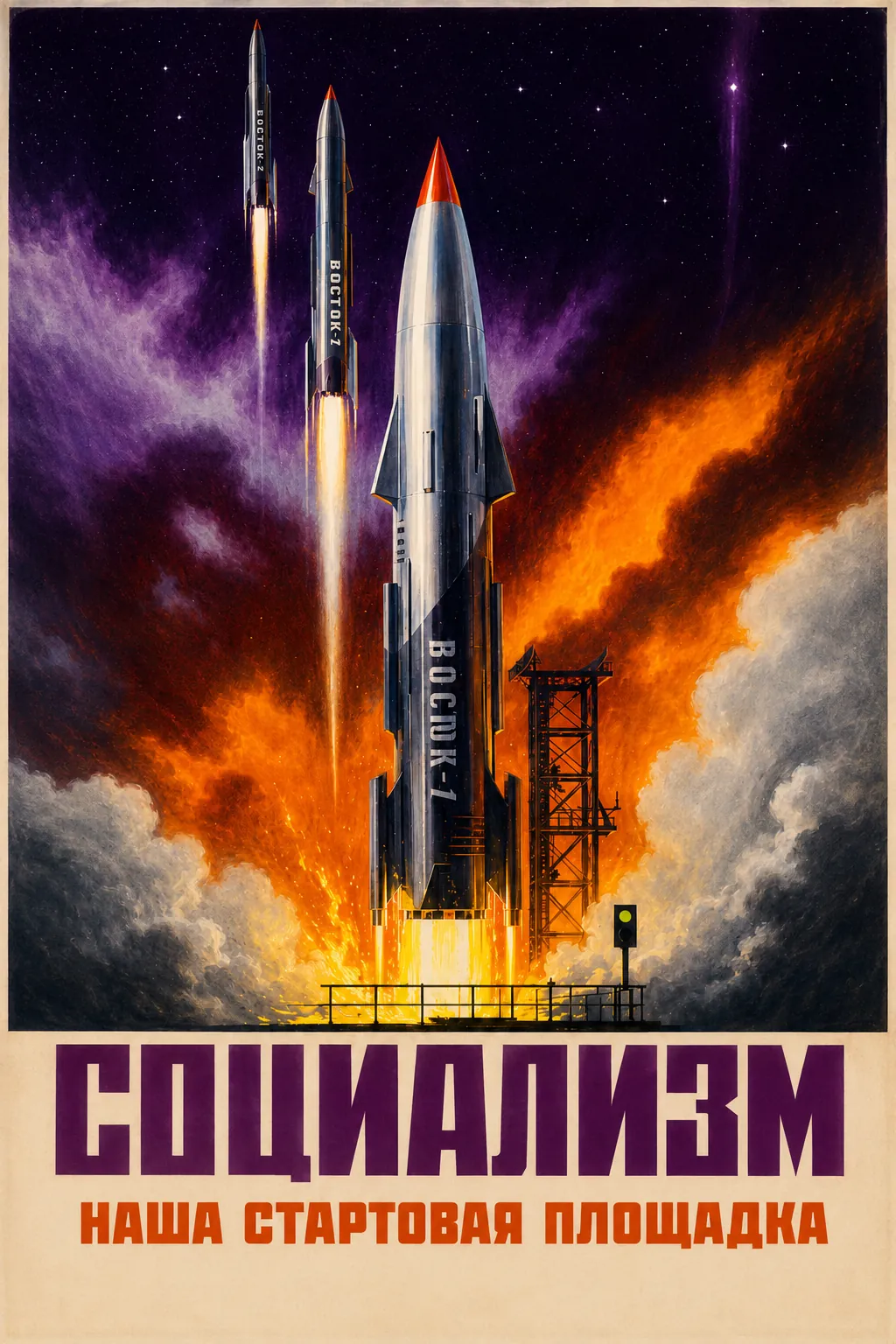
Under Brezhnev's leadership, the Soviet Union shifted its space priorities after losing the race to the Moon. Instead, the focus turned to long-duration spaceflight and the development of space stations, areas where the Soviet Union would maintain leadership for many years. Sustaining these stations also demanded steady investment in rocket development to keep crews and supplies flowing to orbit.
Space Achievements
- Launch of Salyut space stations
- Long-duration space records
- International cooperation in space
Space Program Focus
- Orbital station development
- Military space applications
- Scientific research in space
Space Station Era
The Salyut program, initiated during Brezhnev's tenure, marked a new phase in space exploration. Salyut 1 became the world's first space station, allowing for extended periods of human presence in space and conducting valuable scientific research. The program laid the groundwork for the later Mir space station and influenced the design of the International Space Station.
While the Soviet Union had lost the race to the Moon, under Brezhnev it established clear leadership in long-duration spaceflight and space station operations. This expertise would prove valuable for future international cooperation in space.
Legacy
Brezhnev's era saw both achievements and setbacks in the space program. While the Soviet Union didn't achieve a Moon landing, it established itself as a pioneer in space station operations and long-duration spaceflight. The focus on these areas created a lasting legacy that influenced the future of space exploration, while these orbital feats also bolstered the nation's cultural prestige at home and abroad.
He died in 1982, having overseen a crucial transition period in the Soviet space program from the early "space race" achievements to a more sustained presence in Earth orbit. The space station expertise developed during his leadership would remain a source of pride and international prestige for the Soviet Union and later Russia.