Why the Soviet Union Flew Dogs
Before placing a cosmonaut in a capsule, Soviet engineers needed evidence that a living body could tolerate rocket acceleration, weightlessness, cabin confinement and reentry. Animal flights also tested oxygen supplies, temperature control, monitoring equipment, food dispensers and recovery systems under real mission conditions.
The United States often used primates, but the Soviet program concentrated on small dogs. Many candidates were female mixed-breed strays from Moscow. Researchers considered them adaptable, trainable and less restless in confinement than monkeys. Their flights, beginning with suborbital tests in 1951, formed an important part of the timeline leading to human spaceflight.
The Missions That Changed Human Spaceflight
Laika and Sputnik 2
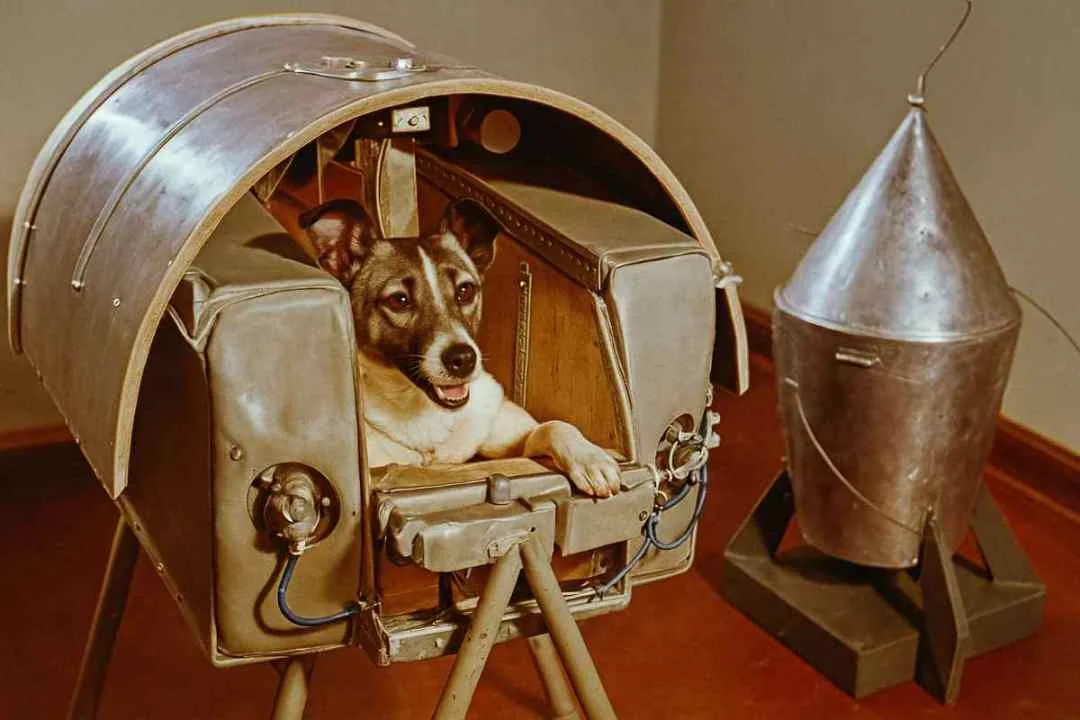
Laika launched on November 3, 1957, one month after Sputnik 1. She was the first animal to orbit Earth and the first living passenger in an orbital spacecraft. Sputnik 2 was built quickly and carried no system for returning its passenger. Later evidence showed that Laika died from overheating within hours, not after several days as Soviet reports originally claimed.
Belka and Strelka
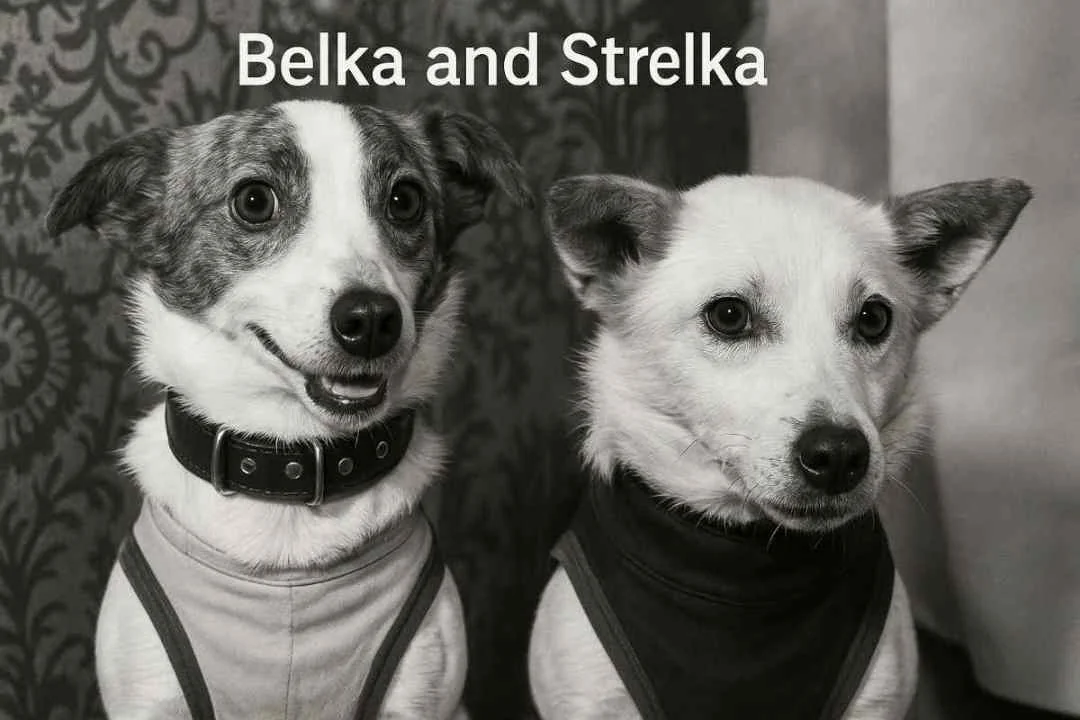
Belka and Strelka launched aboard Korabl-Sputnik 2, commonly called Sputnik 5, on August 19, 1960. They completed 17 orbits and landed safely the next day with a gray rabbit, mice, rats, insects, plants and other biological samples. Their recovery gave Soviet planners much stronger evidence that the Vostok capsule could protect a passenger through an entire orbital mission. Strelka later had puppies, and one named Pushinka was given to the Kennedy family.
Veterok and Ugolyok
Veterok and Ugolyok flew aboard Kosmos 110 from February 22 to March 16, 1966. Their 22-day mission examined the physical effects of a much longer stay in weightlessness. No dog has spent longer in space. The flight helped extend Soviet biological research beyond the short missions that prepared the first Vostok cosmonauts.
How the Space Dogs Were Selected and Trained
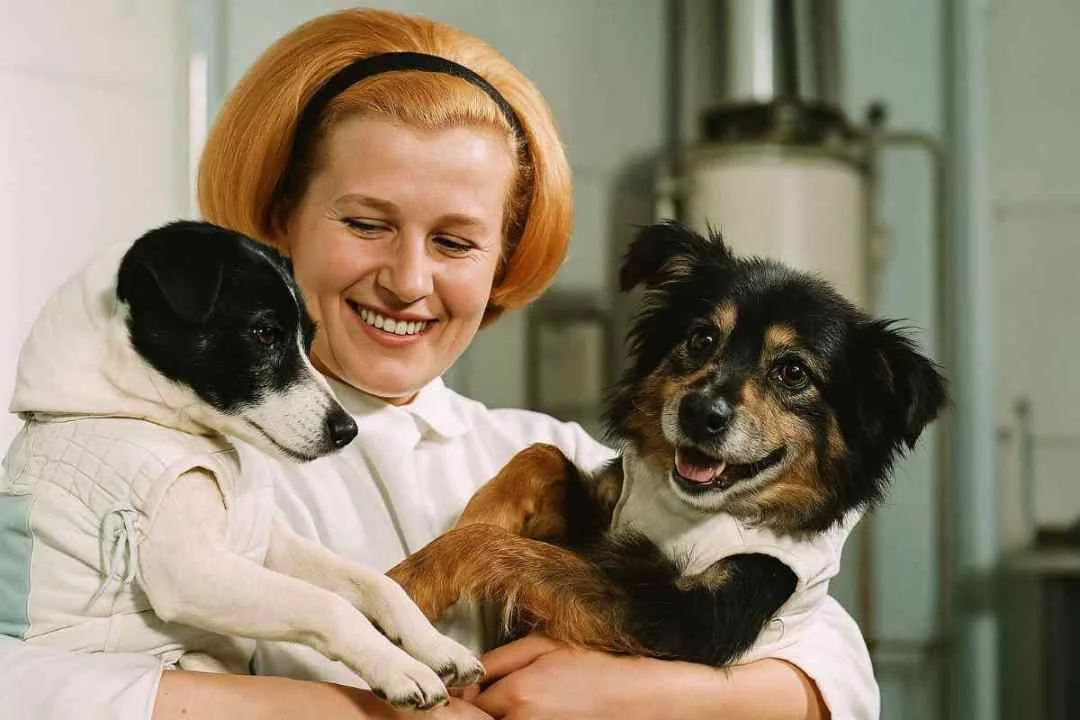
Selection was practical. The capsule imposed strict limits on size, movement and sanitation, so Soviet researchers looked for dogs that could remain calm while restrained and tolerate unfamiliar equipment. Candidates were introduced to the flight environment in stages rather than placed directly into a capsule.
| Selection factor | Typical choice | Reason |
|---|---|---|
| Sex | Female | The waste collection system was simpler to fit and operate. |
| Size | Small and lightweight | Early animal cabins allowed little room for movement. |
| Temperament | Calm under restraint | The dogs had to remain secured during launch, orbit and recovery. |
| Background | Often mixed-breed strays | Researchers believed street dogs were accustomed to cold, hunger and noise. |
- Confinement training gradually accustomed the dogs to the dimensions of a flight cabin.
- Centrifuge sessions reproduced the acceleration expected during launch and reentry.
- Vibration and noise tests exposed them to conditions inside a rocket.
- Harness training prepared them to remain in a fixed position for long periods.
- The dogs learned to eat a nutrient gel delivered by the spacecraft's feeding system.
- Sensors recorded heart rate, breathing and other measurements before and during flight.
What Scientists Learned
Life support
Animal missions tested oxygen delivery, carbon dioxide removal, cabin temperature and feeding systems later adapted for crewed spacecraft.
Launch and reentry
Measurements taken during acceleration and descent showed how a mammal's heart rate and breathing changed under flight stress.
Recovery
Successful landings tested retrorockets, parachutes, capsule separation and recovery crews before a cosmonaut depended on them.
Longer missions
Kosmos 110 extended the study of weightlessness, inactivity and recovery well beyond the duration of the first human flights.
These flights reduced some of the uncertainty surrounding Yuri Gagarin's Vostok 1 mission. They did not remove every risk, but they let engineers test the same basic chain of systems that a human passenger would soon rely on.
Beyond the Dogs
Dogs became the public face of Soviet animal research, but mixed biological payloads let scientists compare how different organisms responded to flight.
| Passengers | Mission | Why it mattered |
|---|---|---|
| Gray rabbit, mice, rats, insects and plants | Korabl-Sputnik 2, 1960 | They shared Belka and Strelka's capsule and returned to Earth for study. |
| Two steppe tortoises | Zond 5, 1968 | They became the first animals to travel around the Moon and return safely to Earth. |
| Rodents, insects and plants | Later biological satellites | Short life cycles and simple biological systems supported broader research into development and space exposure. |
Space Dogs in Soviet Visual Culture
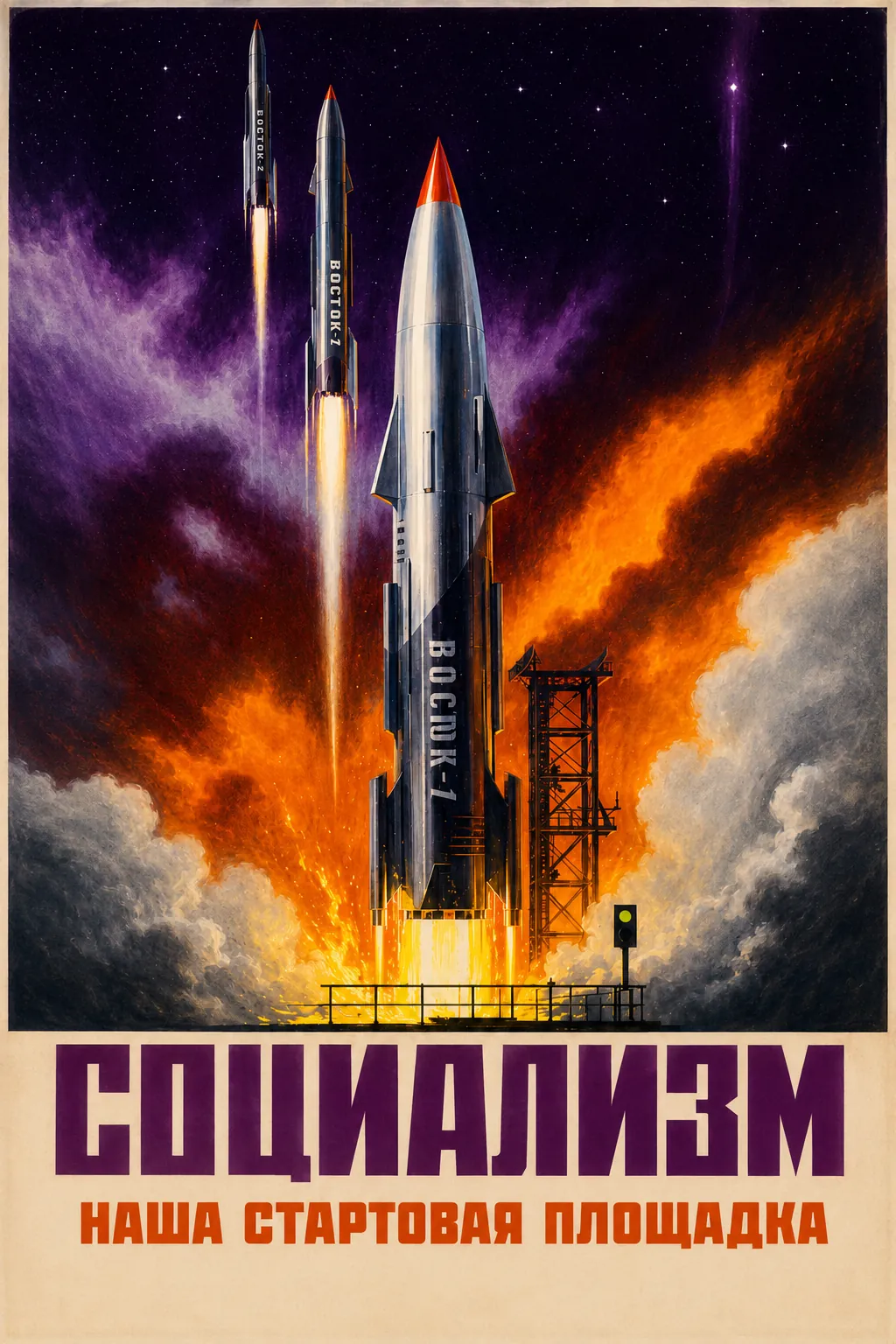
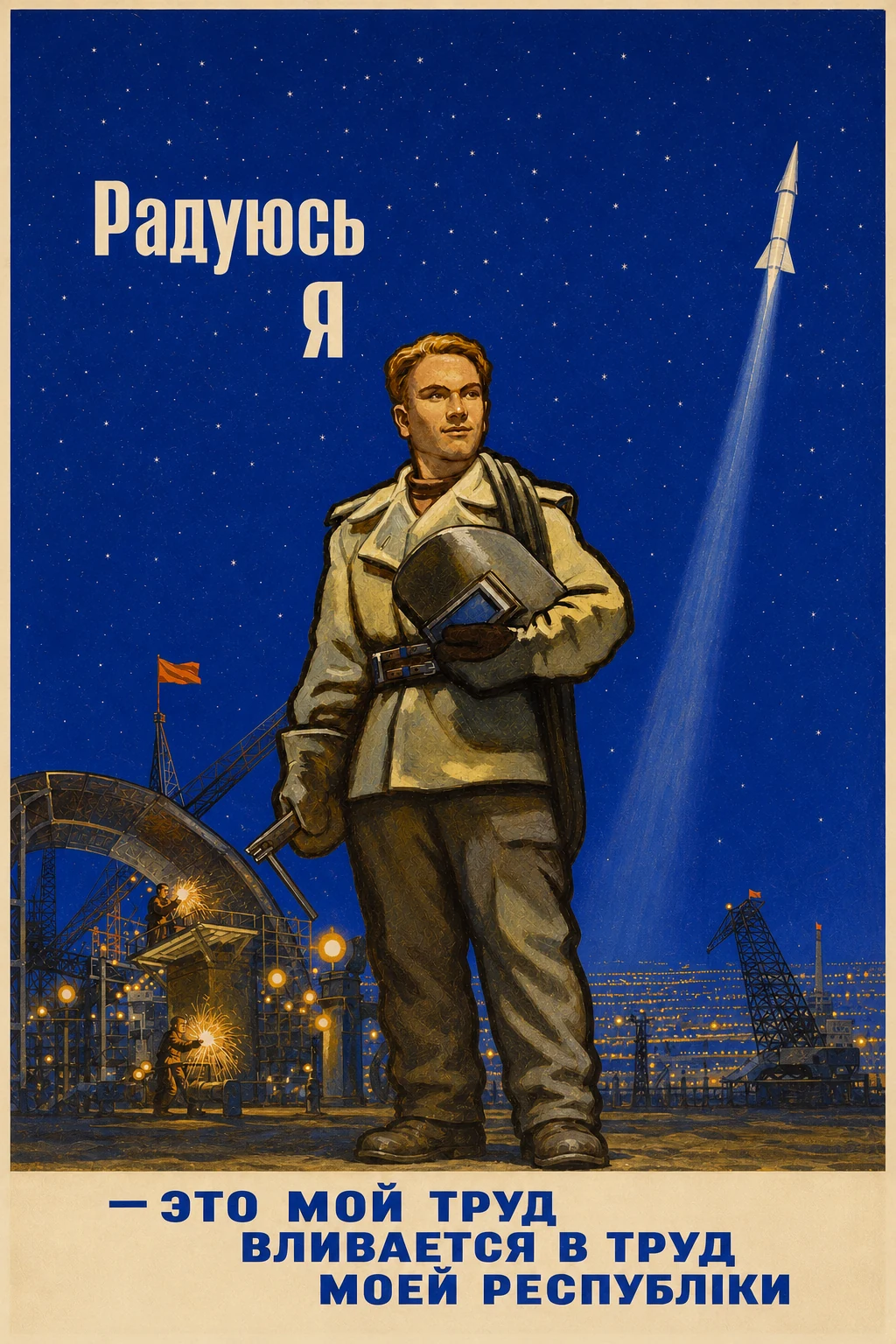
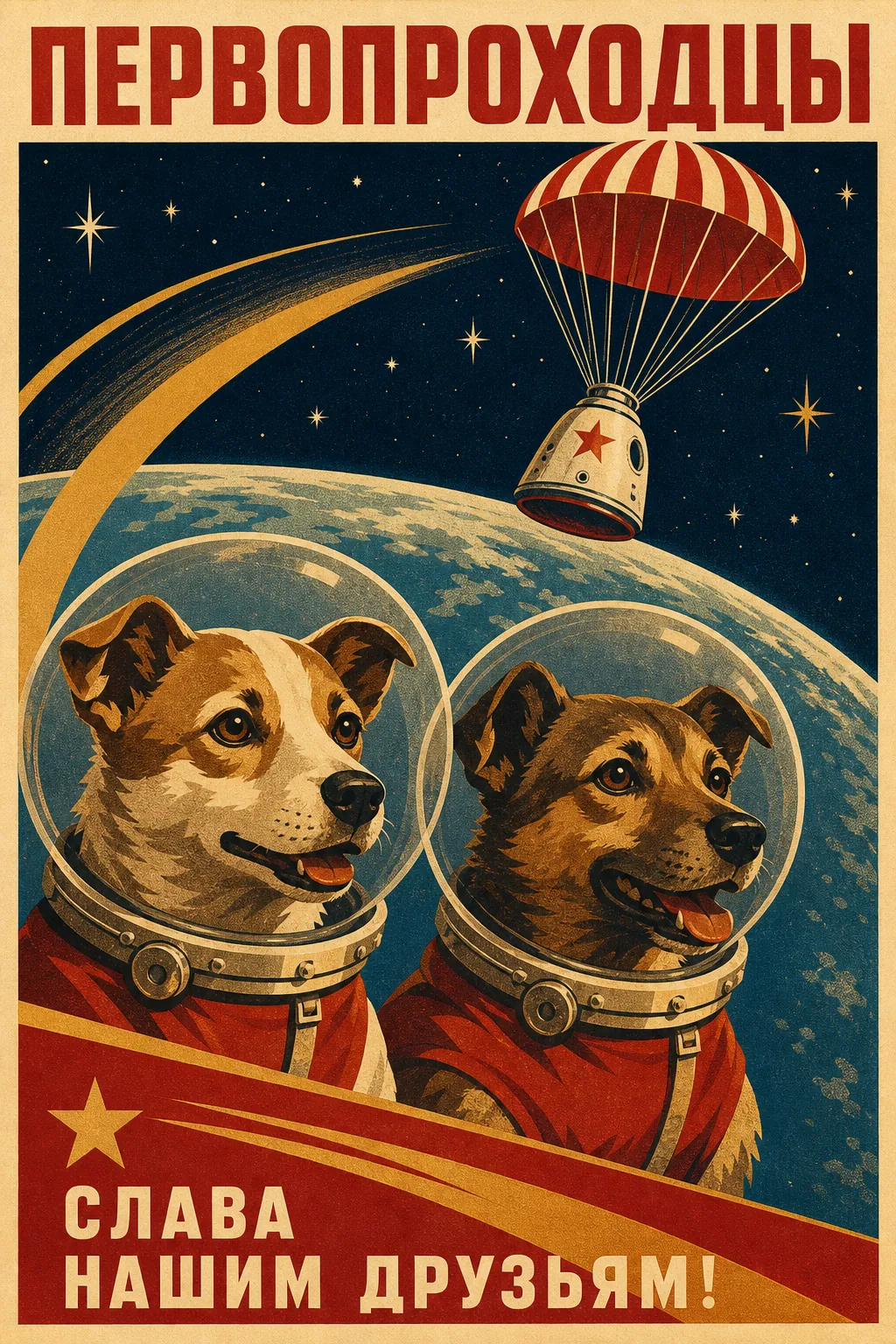
Belka, Strelka and Laika became more than research subjects. Their portraits appeared on postcards, stamps, toys and illustrated magazines. Belka and Strelka were especially useful public symbols because their story ended in a successful return. The poster designs below draw on that visual history and link to their full background pages.

Ethics and Legacy
The dogs remain prominent in Russian space museums and public memory. They also changed the language of the Space Race. A program usually presented through rockets and state power briefly centered vulnerable living passengers, making the promise and the cost of early spaceflight visible at the same time.
Explore Related Topics
Human Spaceflight
Follow the cosmonauts and Vostok missions that came after the animal test flights.
Technology and Innovation
See how life support, reentry and spacecraft systems developed across the Soviet program.