The R-1: A V-2 Built in Russia
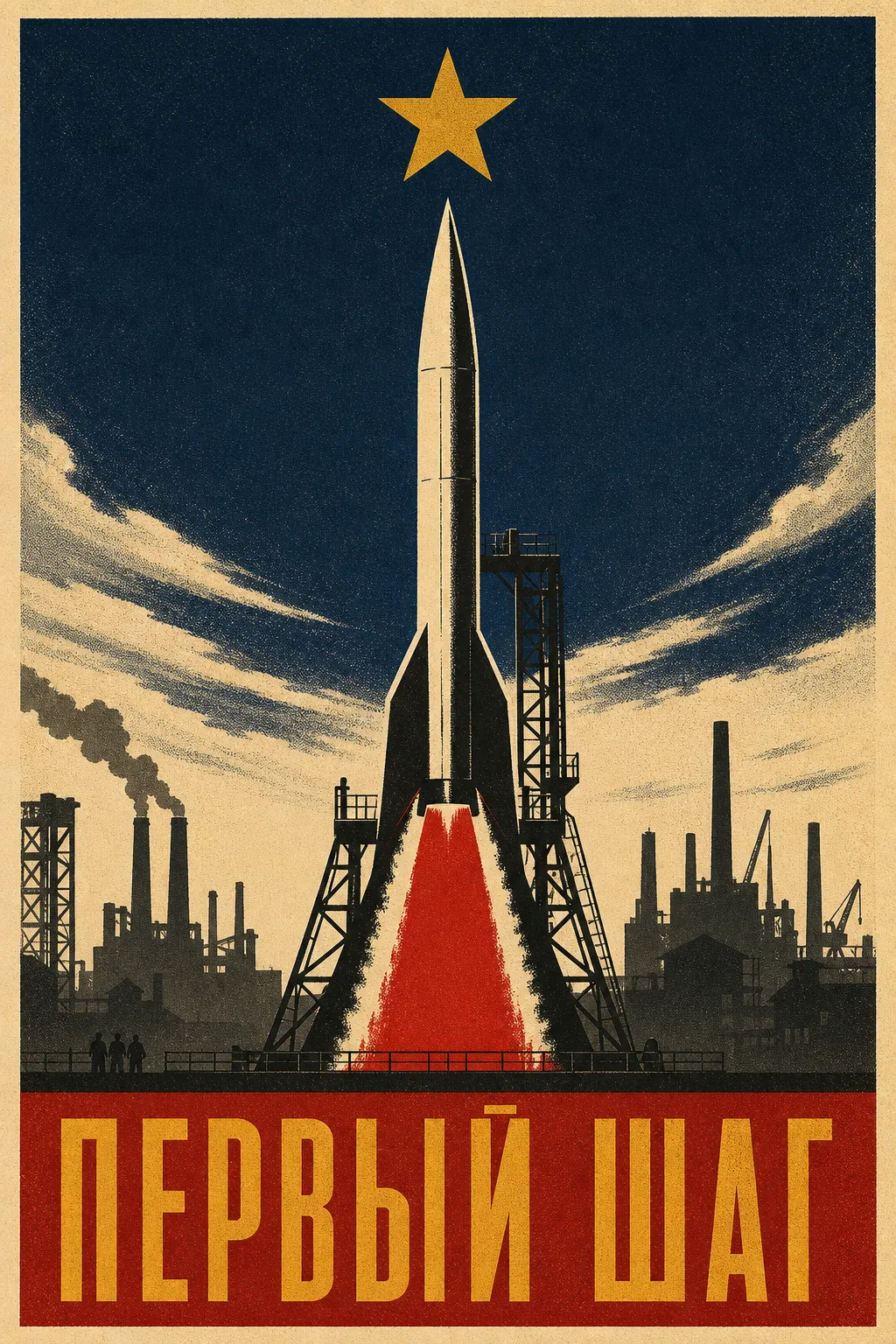
The Soviet rocket program started by copying somebody else's homework. The R-1, first launched in October 1948, was a near-perfect duplicate of the German V-2. Same 14.6 m height, same 1.65 m diameter, same alcohol-and-LOX propellant combination, same single Glushko-derived engine. Soviet engineers built it from captured V-2 parts, German production tooling, and a small pool of German technicians relocated to Soviet design bureaus. The historical context page covers the postwar transfer in detail.
R-1 was suborbital only. It could carry a 1,000 kg warhead about 270 km - useful as a tactical missile, useless for reaching another country. Korolev's team spent the next nine years iterating: R-2 (1950, 600 km range), R-5 (1953, 1,200 km), R-7 (1957, intercontinental). By the time they got to R-7, the original V-2 lineage had been engineered out. The R-7 architecture, parallel-staged with four conical strap-on boosters around a central core, was a Soviet invention.
The R-7 Family: 29 to 46 Meters
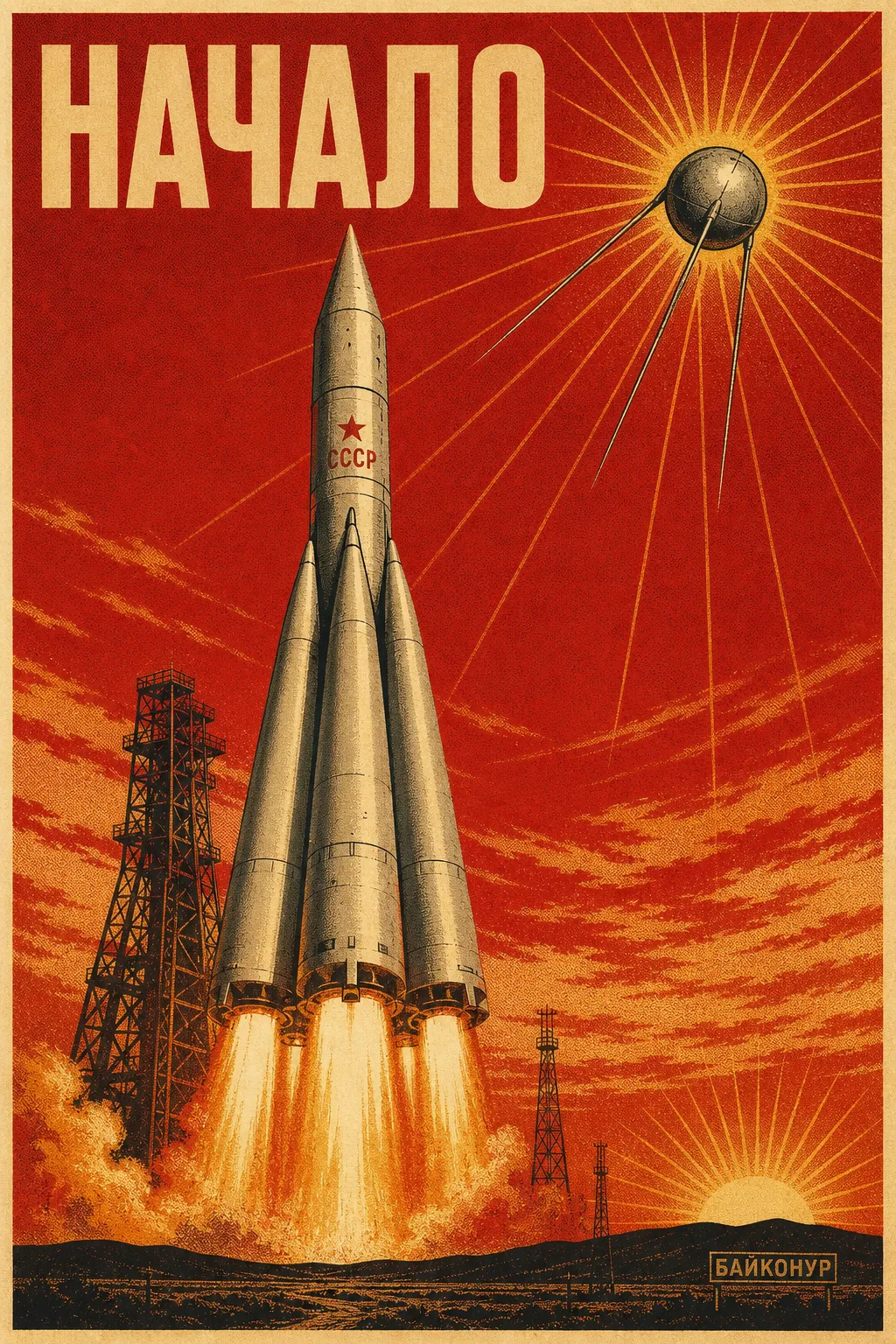
Every Soviet crewed launch from Sputnik through 2026 used a derivative of the R-7. The original R-7 that lofted Sputnik 1 on October 4, 1957 was 29.2 m tall - shorter than its descendants because the Sputnik launcher had no upper stage. The payload weighed 84 kg and the rocket was sized to deliver it to a 215 km orbit.
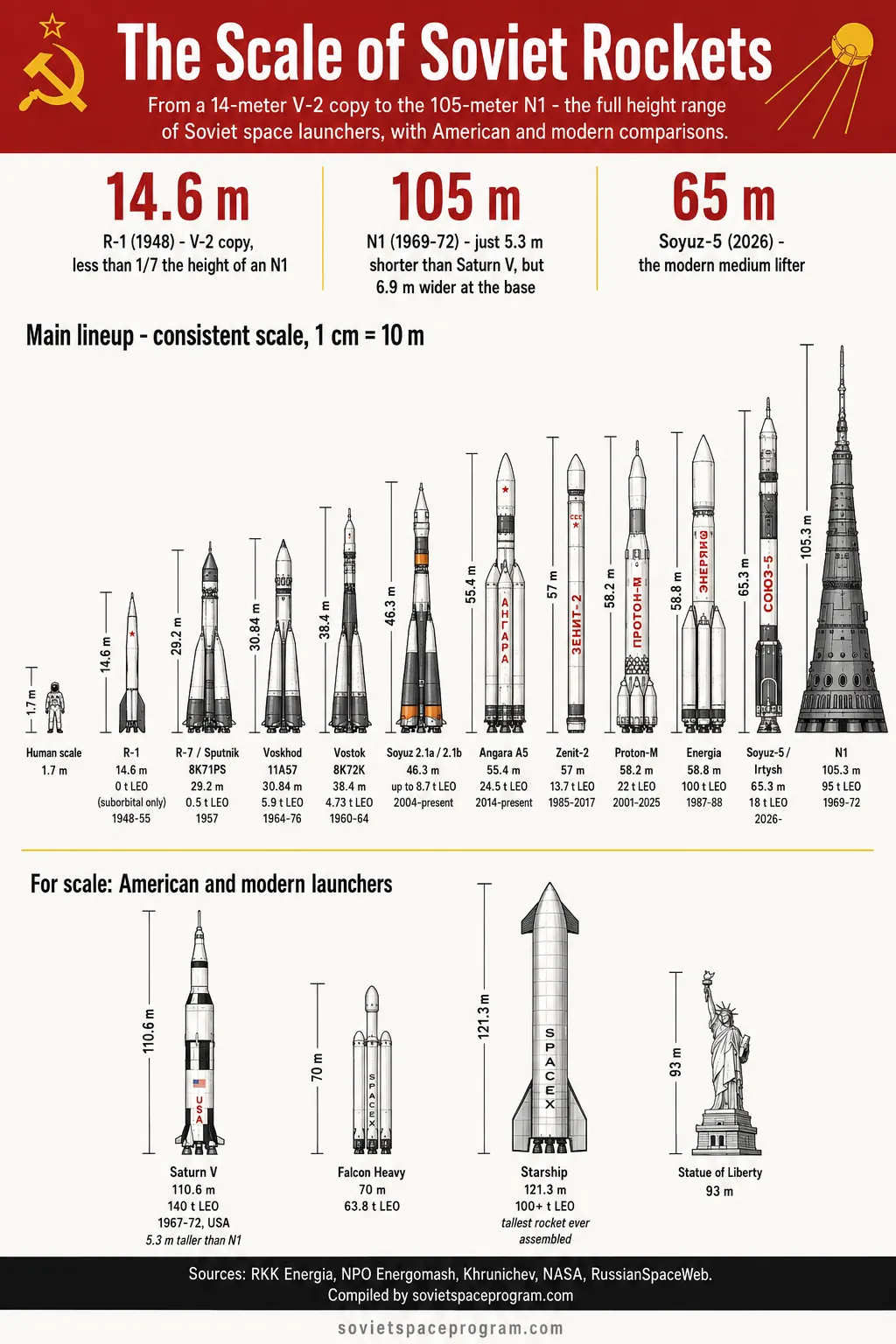
Once Soviet engineers added a third stage, the family grew. Vostok 8K72K (the variant that flew Yuri Gagarin in April 1961) stood 38.4 m tall. Voskhod 11A57 (1964-1976) was 30.84 m without payload shroud. Modern Soyuz 2.1, still in active service in 2026, is 46.3 m. Same parallel-staged core. Same four conical strap-ons. 69 years of incremental refinement on top of the basic architecture.
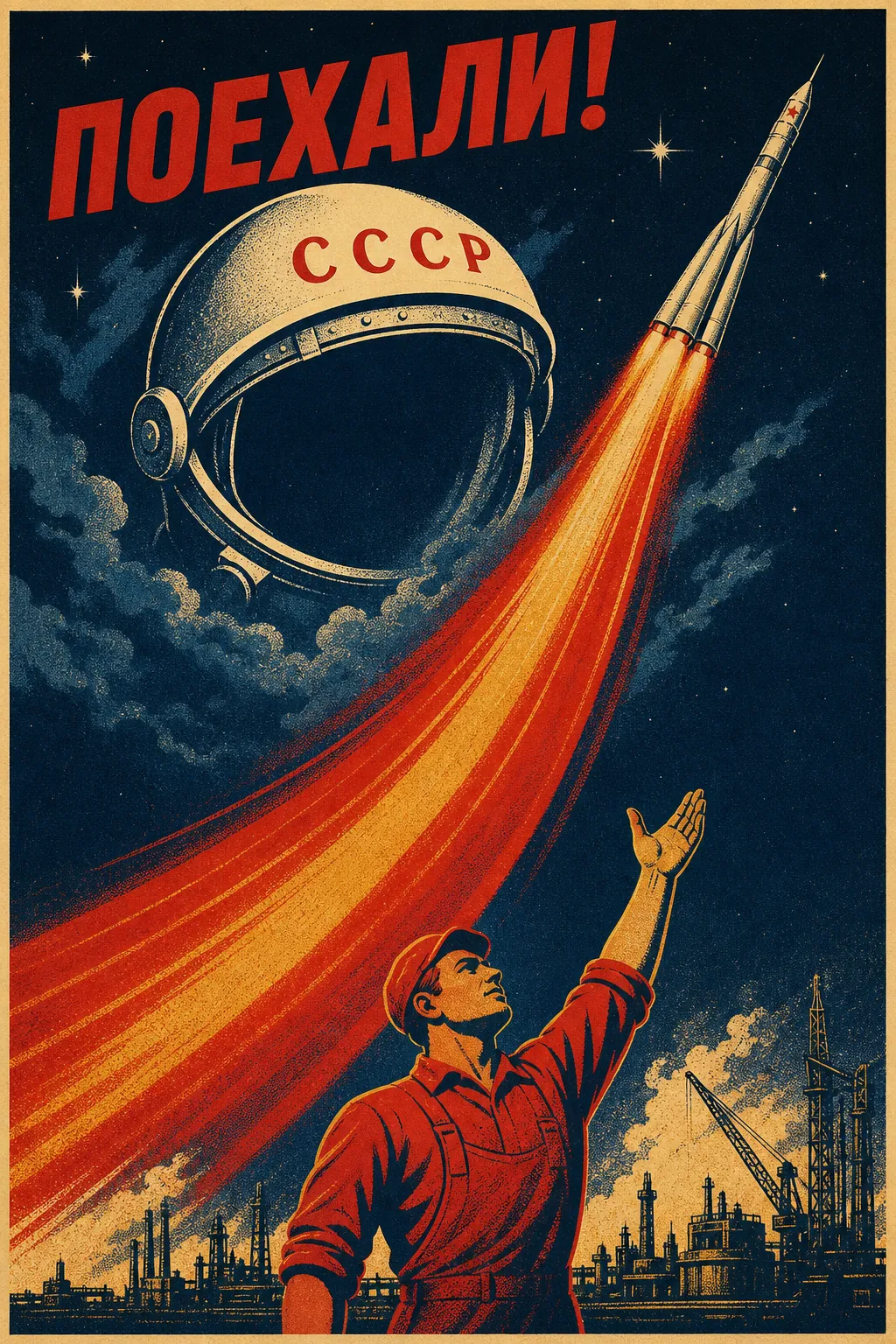
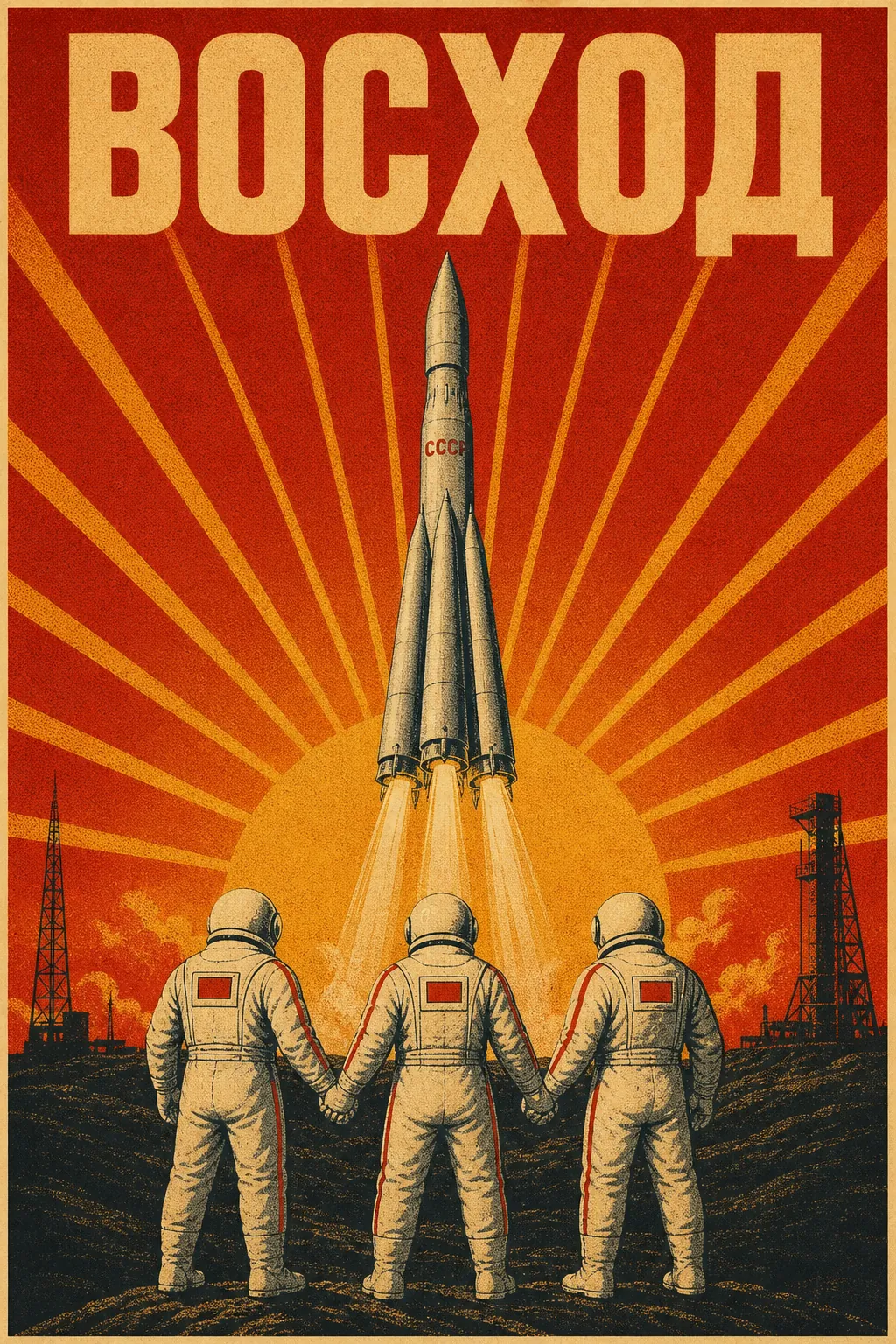
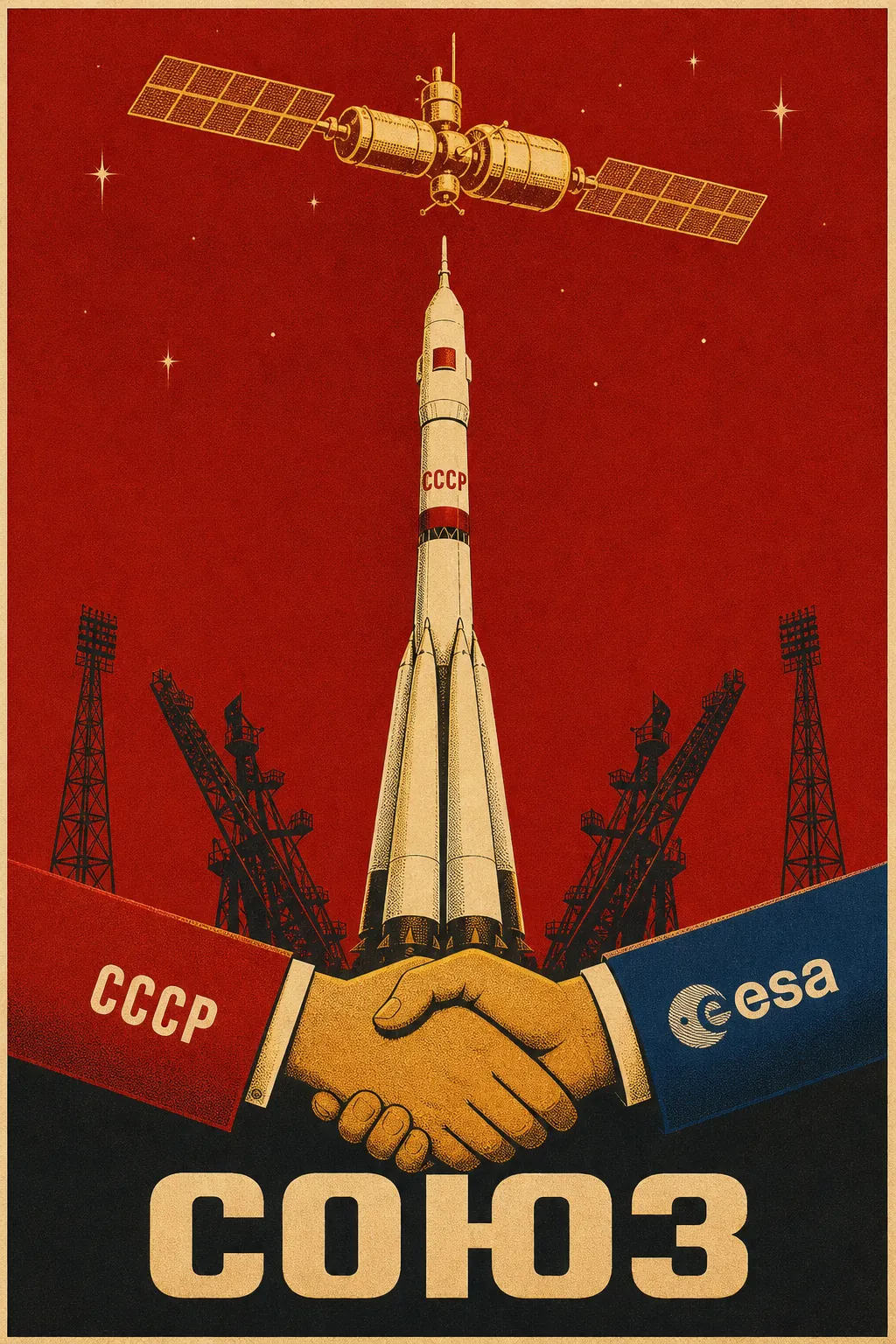
All R-7 variants share the same maximum span: 10.3 meters across the four boosters at launch. The rocket's silhouette has been visually identical from a distance for seven decades.
Proton: The Hypergolic Workhorse
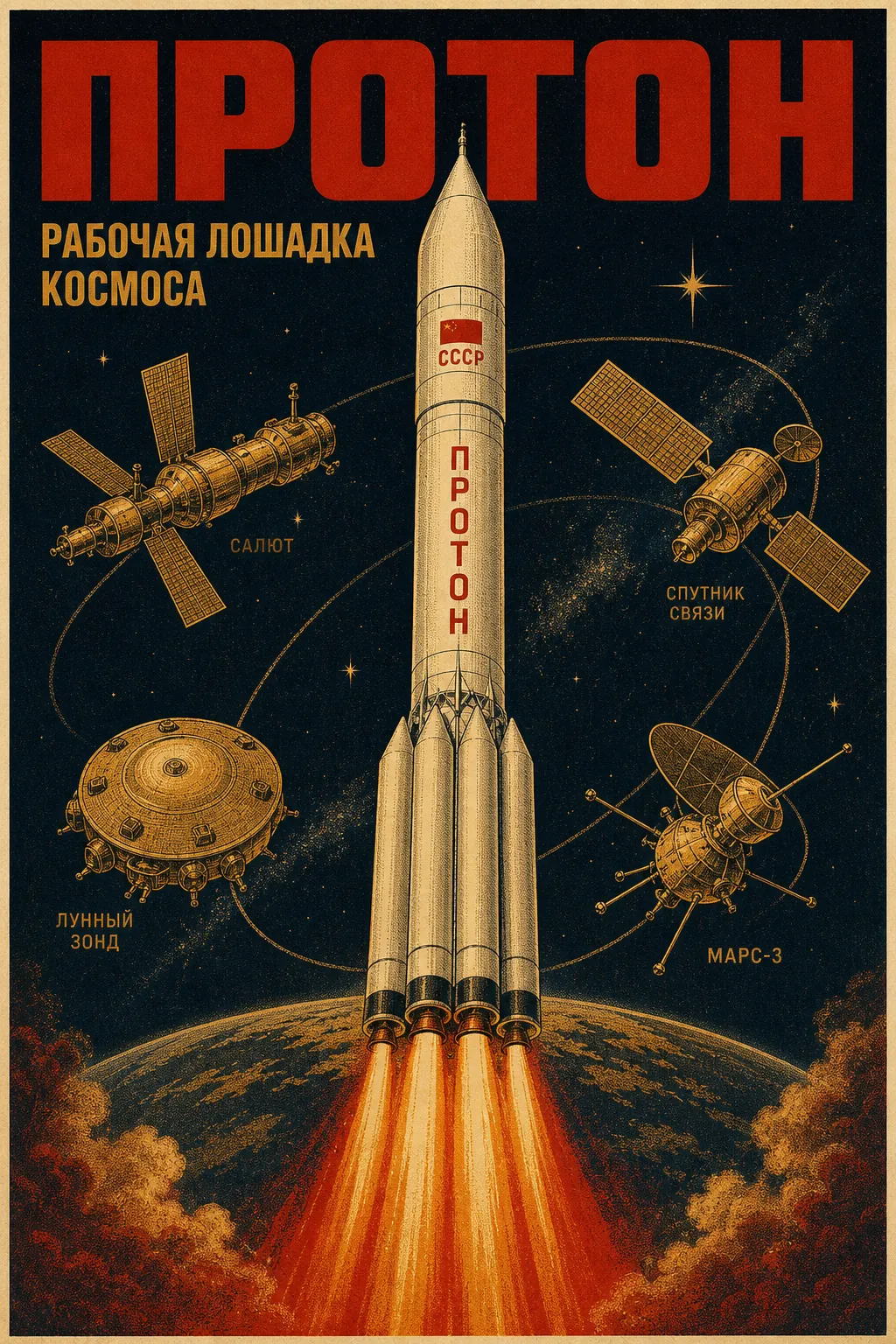
Proton was Chelomei's competing line. Where Korolev's R-7 family burned kerosene and liquid oxygen, Proton burned UDMH and nitrogen tetroxide - hypergolic propellants that ignite on contact and can be stored indefinitely at room temperature. Storable propellants suit ICBMs designed to sit in silos for years. They are also extremely toxic.
Proton-K, the original variant flown from 1965, was 53 meters tall. Proton-M, the modernized version that flew from 2001 to 2025, was 58.2 m. Both versions use a 7.4 m wide central engine cluster surrounded by six outboard propellant tanks. Many press references conflate the two and report Proton at "53 m" - that's the older Proton-K, not the version that flew most of the modern commercial missions.
Proton flew 431 times with 383 successes (88.9% reliability). Production of Proton-M ended in 2025. A handful of residual launches are scheduled through 2029 for the Russian Federal Space Agency. Kazakhstan and Russia agreed that Proton would stop launching from Baikonur after 2025 because of the toxic-propellant footprint.
The N1: 105 Meters of Disaster
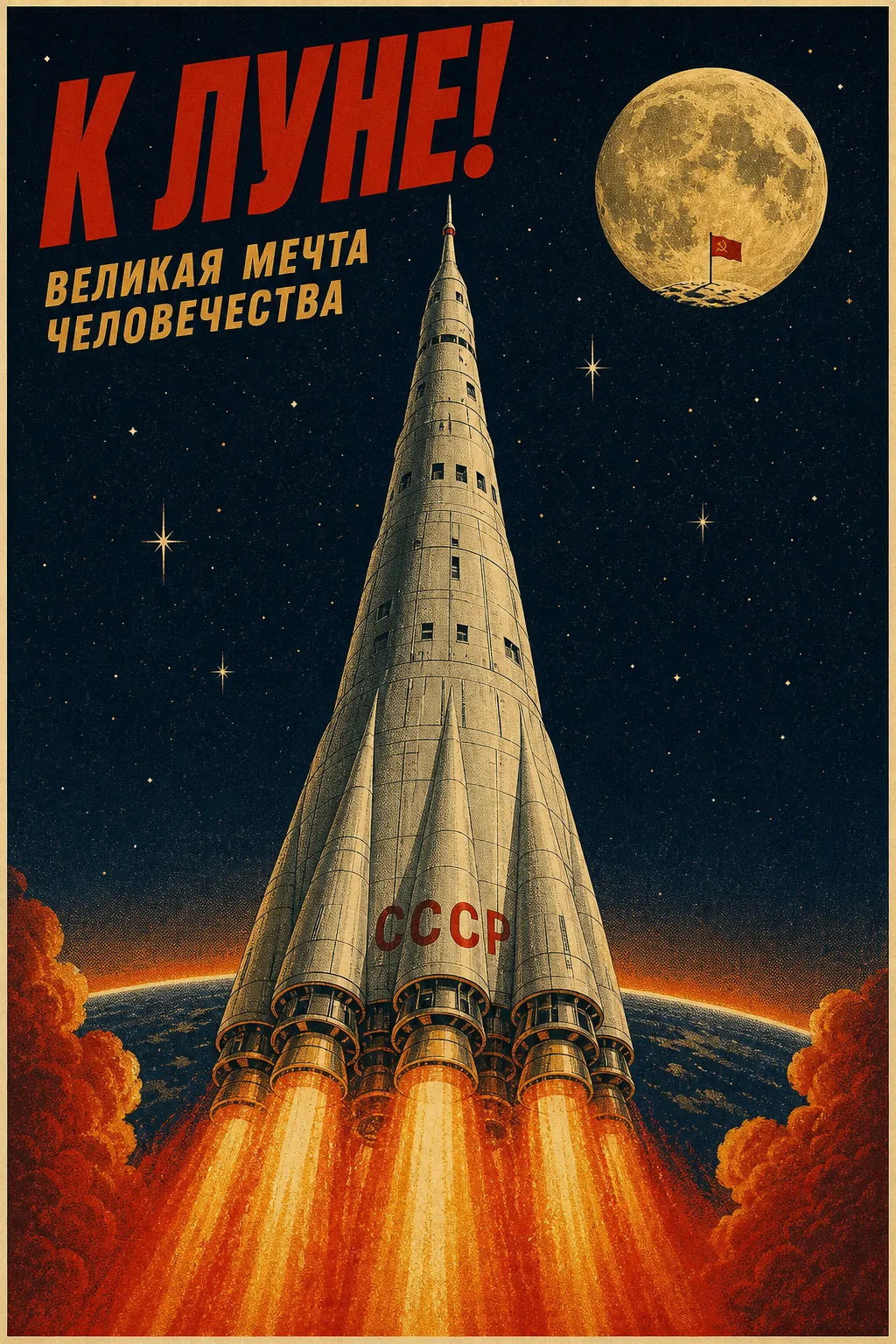
The N1 moon rocket is the largest rocket the Soviet Union ever built and the largest rocket ever to fail entirely. Total height: 105.3 meters. Base diameter at the Block A first stage: 17 meters. Launch mass: about 2,800 tonnes. Designed LEO payload: 95,000 kg, never achieved.
For comparison, Saturn V was 110.6 m tall and 10.1 m at its widest. N1 was 5.3 meters shorter than Saturn V but 6.9 meters wider at the base. The two largest rockets of the Space Race were built to roughly the same scale, with the N1 squatter and wider, the Saturn V taller and slimmer. They flew within months of each other in 1969. Saturn V successfully landed humans on the Moon. N1 exploded.
Four flight tests, all failures, between February 1969 and November 1972. The consensus root cause was that the 30-engine first stage was never static-fired before any flight - Soviet logistics could not move a fully assembled Block A to Baikonur for ground testing. The full N1 story is on the Rocket Development page.
What is less often noted: the N1 first stage produced about 45,000 kilonewtons of sea-level thrust, more than the F-1-equipped Saturn V (about 34,000 kN) and the most of any rocket in history until SpaceX's Super Heavy first stage in 2023 (about 75,000 kN). The Soviet Union built more thrust than anybody else and could not get it to a successful flight.
Energia and Zenit: 1980s Soviet Heavy Lift
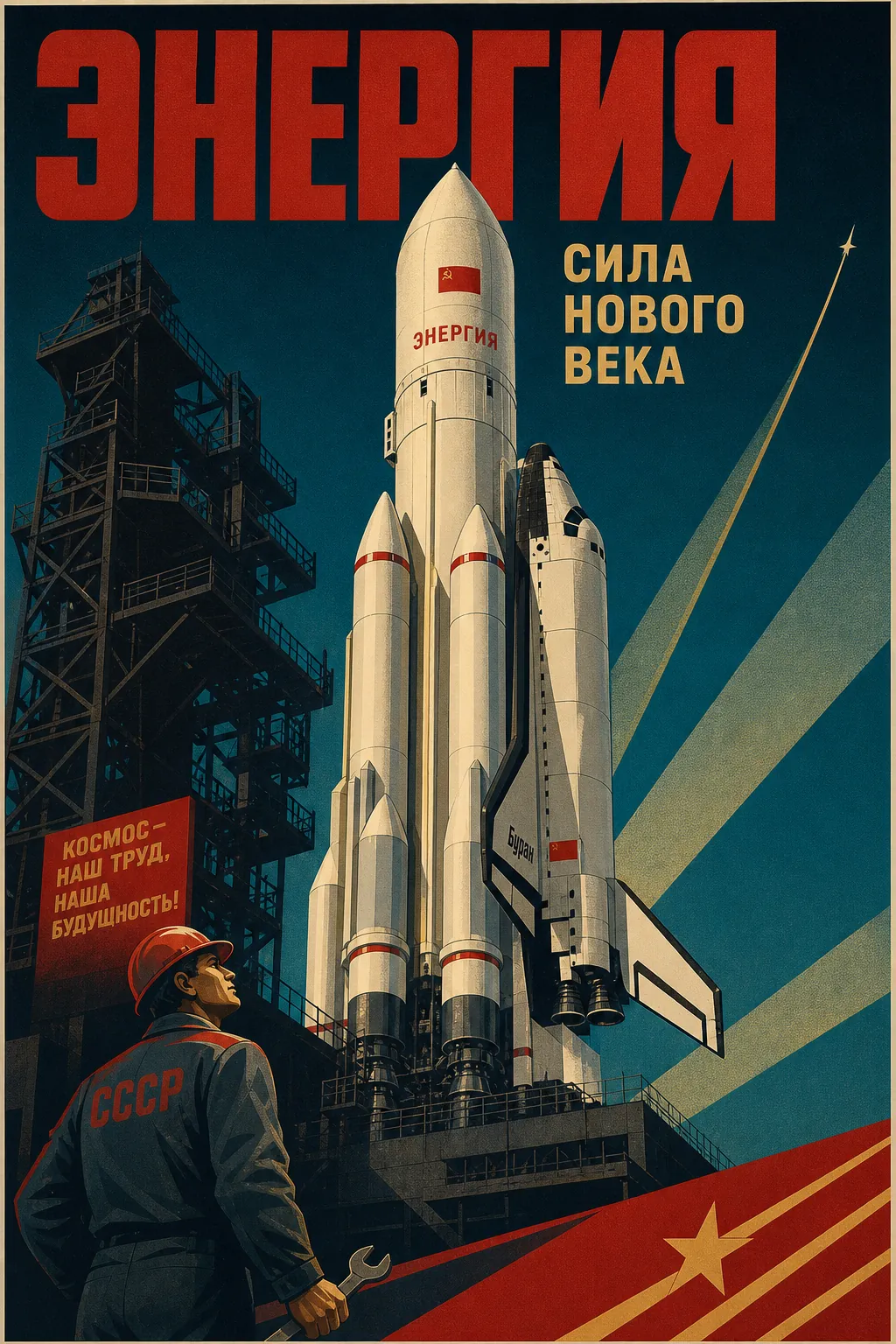
Energia (58.8 m, 1987-88) was the second-largest Soviet rocket and the most capable launcher the Soviets ever flew successfully. It used a 7.75 m diameter central core with four RD-0120 hydrogen-oxygen engines, surrounded by four strap-on boosters powered by RD-170 engines, the highest-thrust LOX/kerosene engine ever built. The full stack with Buran attached was about 20 m wide at the base, wider than the N1.
Energia flew exactly twice. May 15, 1987 (Polyus payload). November 15, 1988 (Buran shuttle). Then the Soviet Union dissolved and the program was cancelled in 1993.
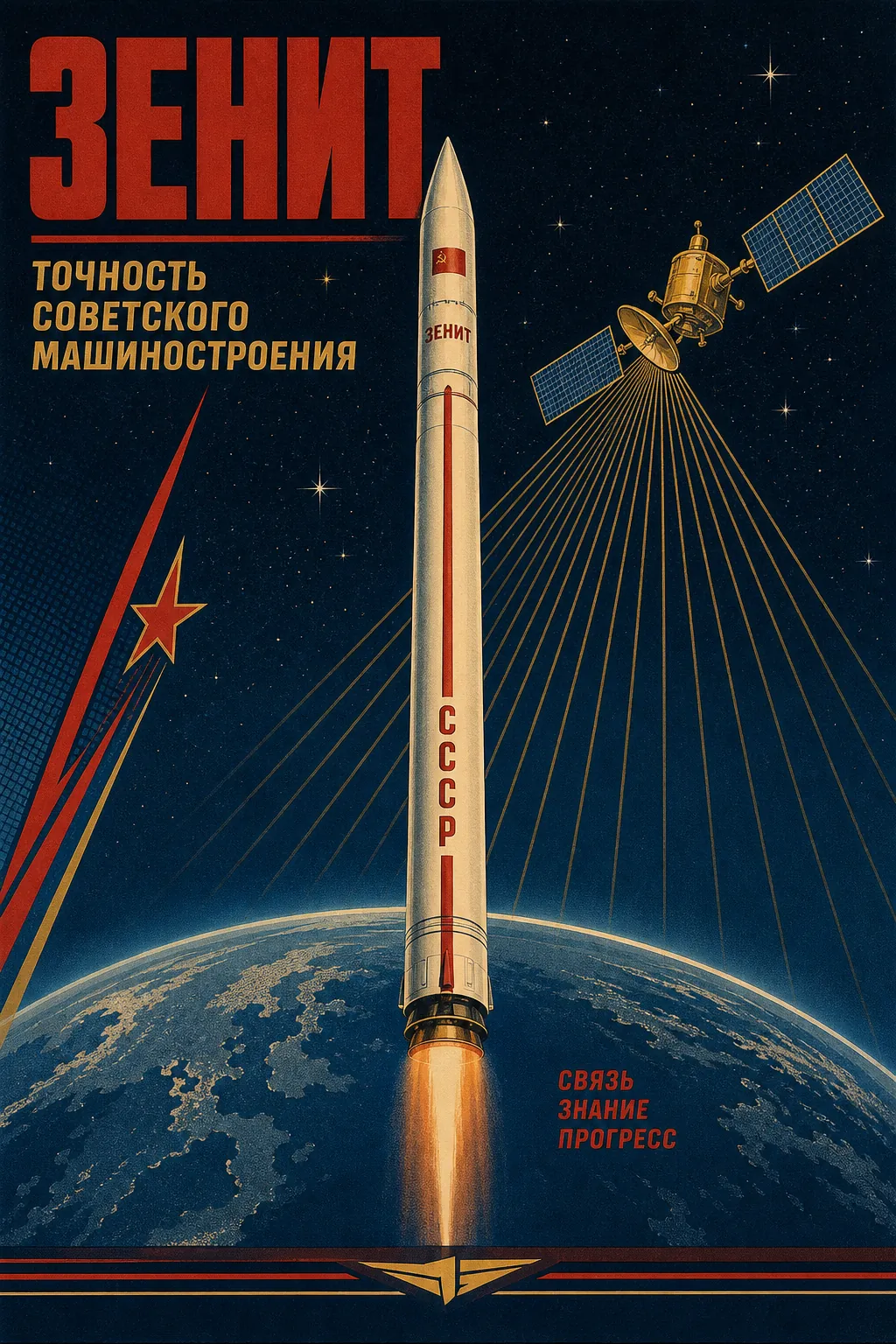
Zenit-2 (57 m, 1985-2017) was a slimmer single-core design at only 3.9 m diameter, designed for routine commercial launches rather than super-heavy lift. It carried 13.7 tonnes to LEO. The technological influence on SpaceX's Falcon 9 was real - both are single-core kerosene/LOX rockets with similar architecture, and Falcon 9 specifically referenced Zenit during its early design phase. Zenit production stopped in 2014 after Russia and Ukraine's space cooperation collapsed.
Modern Russian Rockets
Russia's three active rocket families in 2026 are smaller, slimmer, and less ambitious than the Soviet fleet they replaced.
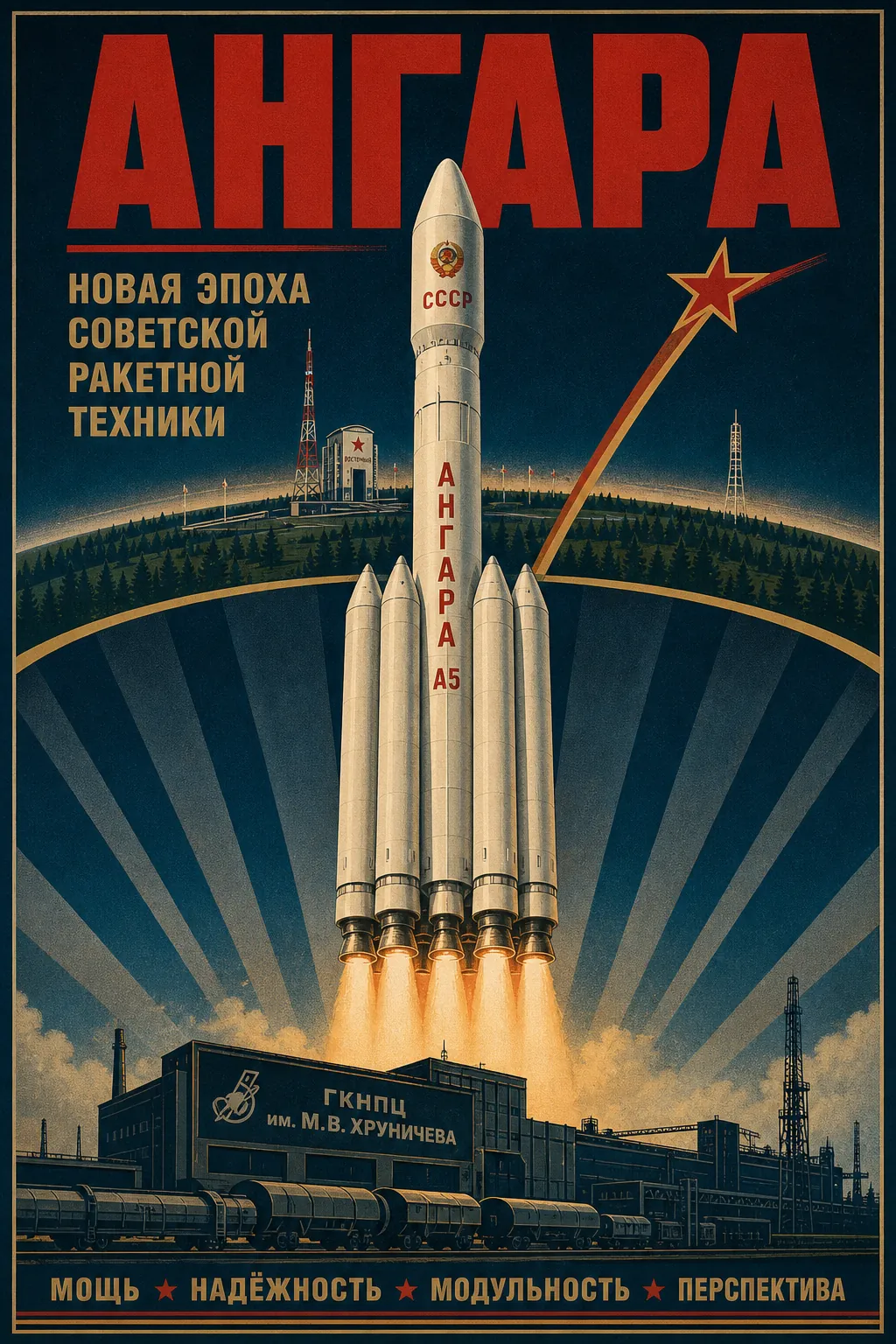
Angara A5 (55.4 m, 2014-) is the heavy-lift replacement for Proton, built around a modular Universal Rocket Module (URM-1) using a single RD-191 engine. The five-module configuration handles roughly 24.5 tonnes to LEO, comparable to Proton's payload but with non-toxic kerosene/LOX propellants. Despite being commonly miscited at 64.4 m in early press, the actual height is 55.4 m - shorter than every other Soviet/Russian heavy-lift rocket on this page.
Soyuz 2.1a and Soyuz 2.1b (46.3 m, 2004-) are the modern R-7 descendants. Digital flight control replaced the analog systems of Soyuz-U in 2004. They handle Russian crewed missions, cargo missions, military payloads, and most institutional launches.
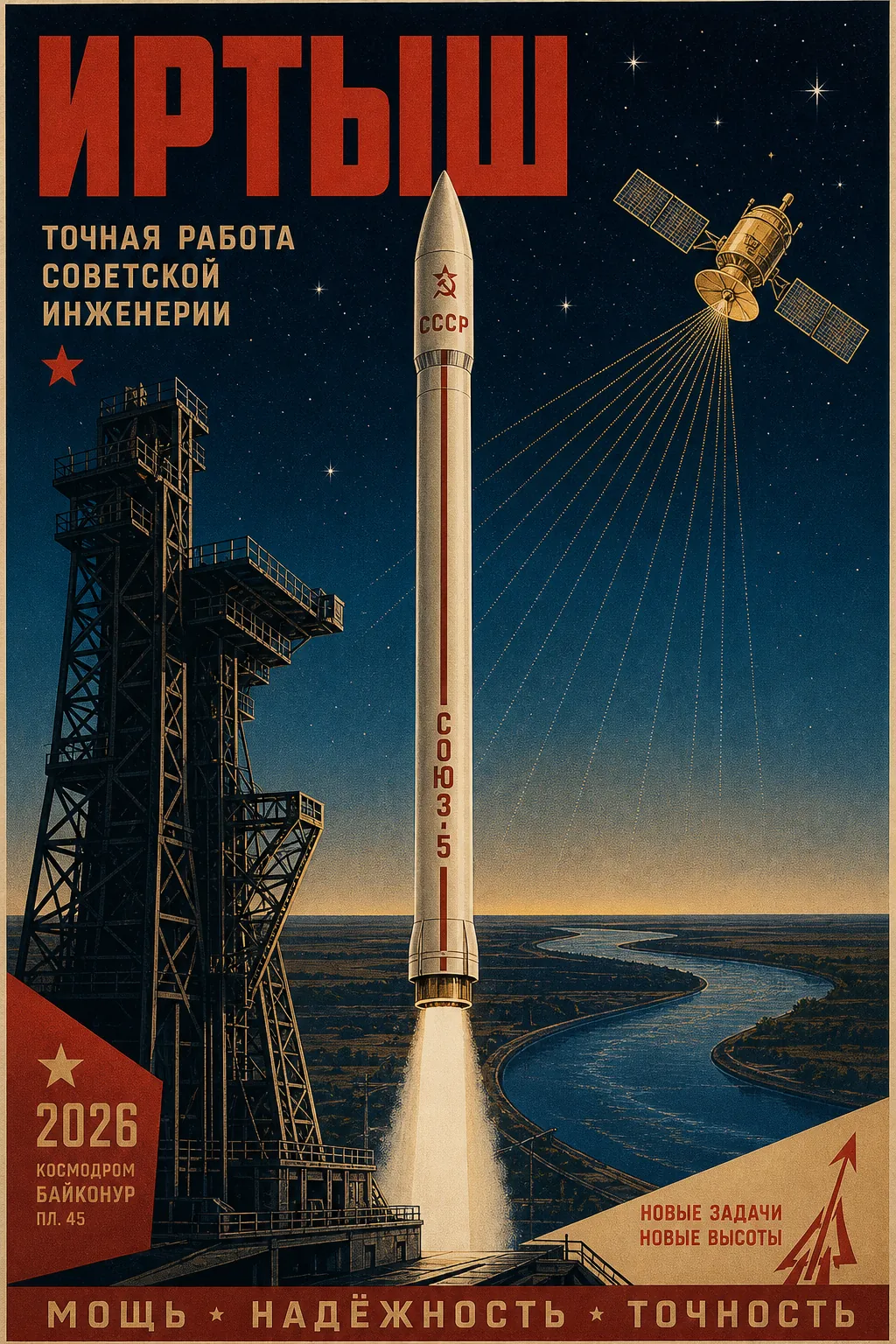
Soyuz-5 / Irtysh (65.3 m) made its first successful flight on April 30, 2026 from Baikonur Site 45 (the former Zenit pad). It is designed to replace Zenit after the Ukraine partnership collapsed and to give the Russian program a 17-tonne medium lifter on a single 4.1 m core. The first stage uses an RD-171MV, a modernized variant of the original RD-170.
The Scale Side by Side
Soviet Rockets by the Numbers
Frequently Asked Questions
How tall was the N1 compared to Saturn V?
The N1 was 105.3 m tall. Saturn V was 110.6 m tall. Saturn V was 5.3 m taller. However, the N1 had a 17 m wide base versus Saturn V's 10.1 m, so the N1 was 6.9 m wider at ground level. The two rockets had comparable launch mass (Saturn V ~2,970,000 kg, N1 ~2,800,000 kg). Saturn V flew 13 times with 12 successes. The N1 flew 4 times with 4 failures.
Is the Russian rocket fleet bigger or smaller than the Soviet one?
Smaller and slimmer. The Soviet program operated R-7 derivatives, Proton-K/M, Zenit-2, Energia, and continued development on Vulkan and Glushko-derived super-heavies. The Russian Federation in 2026 operates Soyuz 2.1 (46.3 m), Angara A5 (55.4 m), and Soyuz-5 (65.3 m). The biggest current Russian rocket, Soyuz-5, is shorter than every Soviet heavy lifter except Proton-K. The Russian heavy-lift class is Angara A5 at 55.4 m, which is shorter than Proton, Zenit, and Energia.
Why does the R-7 keep flying after 69 years?
The architecture is fundamentally sound and Soviet/Russian engineers have iterated on it more than 1,900 times. Parallel staging with four strap-on boosters around a central core provides high initial thrust without the failure modes of single-engine first stages. Reliability data accumulated across 1,900+ flights is impossible for any newer rocket to match in the short term. The current Soyuz 2.1 is 46.3 m tall, 17 m taller than the 29.2 m R-7 that launched Sputnik, but the basic flame pattern at takeoff (one core jet plus four strap-on flames) has been the visual signature of Soviet and Russian rocketry for 69 years. See the Legacy page for the modern operational details.
Was Soviet hardware ever copied by American programs?
Yes, in places. The RD-180 engine, derived from the Energia-era RD-170, powered United Launch Alliance's Atlas V from 2000 to 2024 - 122 engines delivered over 25 years. The RD-181, a single-chamber RD-191 derivative, powered Northrop Grumman's Antares 230 from 2014 to 2023. Both export programs ended after 2022 sanctions. SpaceX's Falcon 9 was designed during a period when Soviet-derived staged-combustion engines were the global benchmark; Falcon 9 doesn't use a Soviet engine, but the engineering goals it set (chamber pressure, reliability, reusability) explicitly referenced Soviet-era performance ceilings.
What's the tallest rocket ever built?
As of May 2026, the SpaceX Starship full stack at 121.3 meters. Before Starship, the title belonged to Saturn V at 110.6 m for over 50 years. The N1 at 105.3 m is the third-tallest rocket ever assembled and the tallest non-American.
How does the Statue of Liberty compare?
Lady Liberty is 46 m tall as a statue and 93 m from foundation to torch including the pedestal. The N1, Saturn V, and Starship would all dwarf her. Proton-M, Energia, and Soyuz-5 are taller than the statue alone but shorter than the full pedestal-plus-statue height. Compact rockets like R-7 (29.2 m) and R-1 (14.6 m) would not reach the top of her pedestal.