Early Life and Academic Career
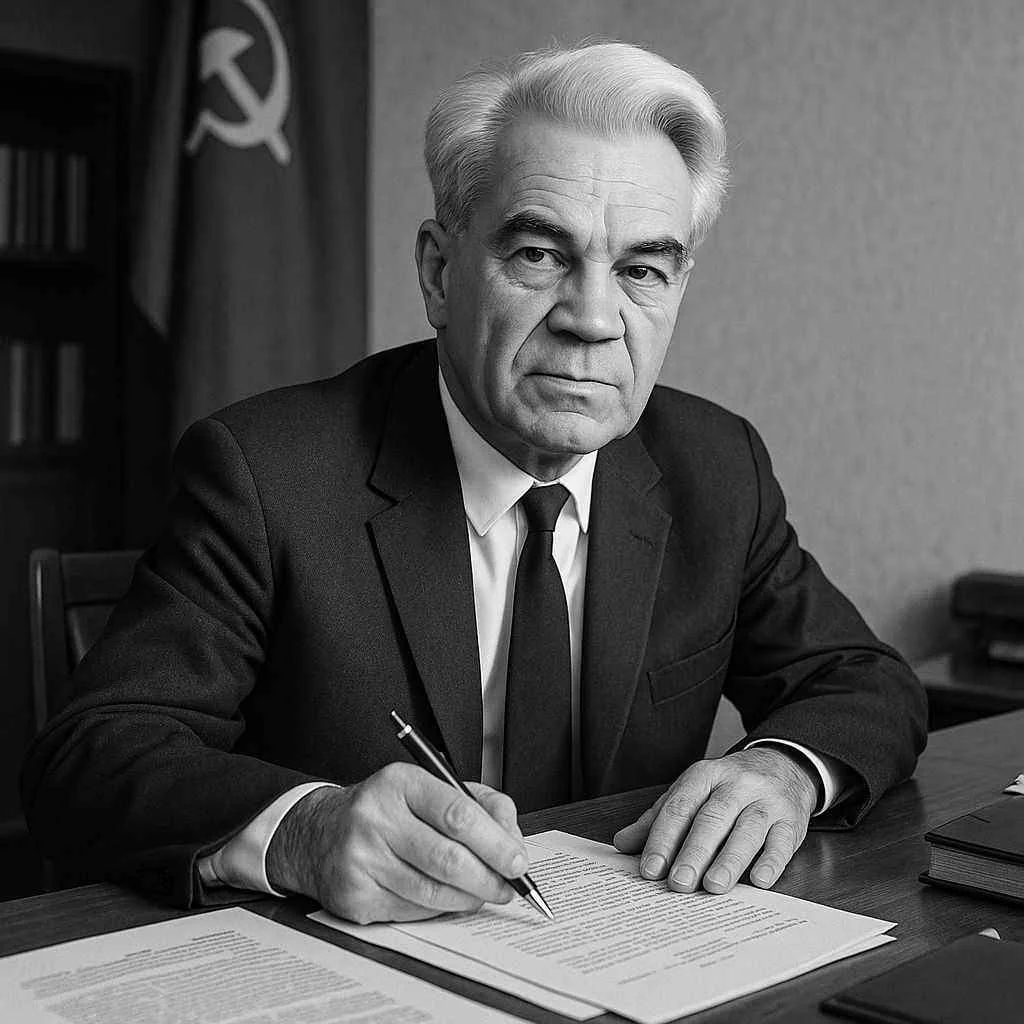
Born on February 10, 1911, in Riga, Russian Empire (now Latvia), Mstislav Vsevolodovich Keldysh came from a family of distinguished Russian intellectuals. He showed exceptional mathematical ability from an early age and graduated from Moscow State University in 1931.
Keldysh's early work focused on complex analysis and differential equations, but he soon became involved in solving practical engineering problems, particularly in aerodynamics. His research on flutter and vibration in aircraft structures earned him recognition and helped solve critical problems in Soviet aviation.
Scientific Contributions
- Orbital mechanics calculations
- Space mission trajectory analysis
- Mathematical models for spaceflight
Leadership Roles
- Director of Institute of Applied Mathematics
- President of USSR Academy of Sciences
- Chairman of Soviet Space Program
Role in the Space Program
As the "Chief Theoretician" of the Soviet space program, Keldysh was responsible for the mathematical calculations that made space missions possible. He worked closely with Sergei Korolev to solve complex problems of orbital mechanics, trajectory planning, and the technology behind spacecraft control systems.
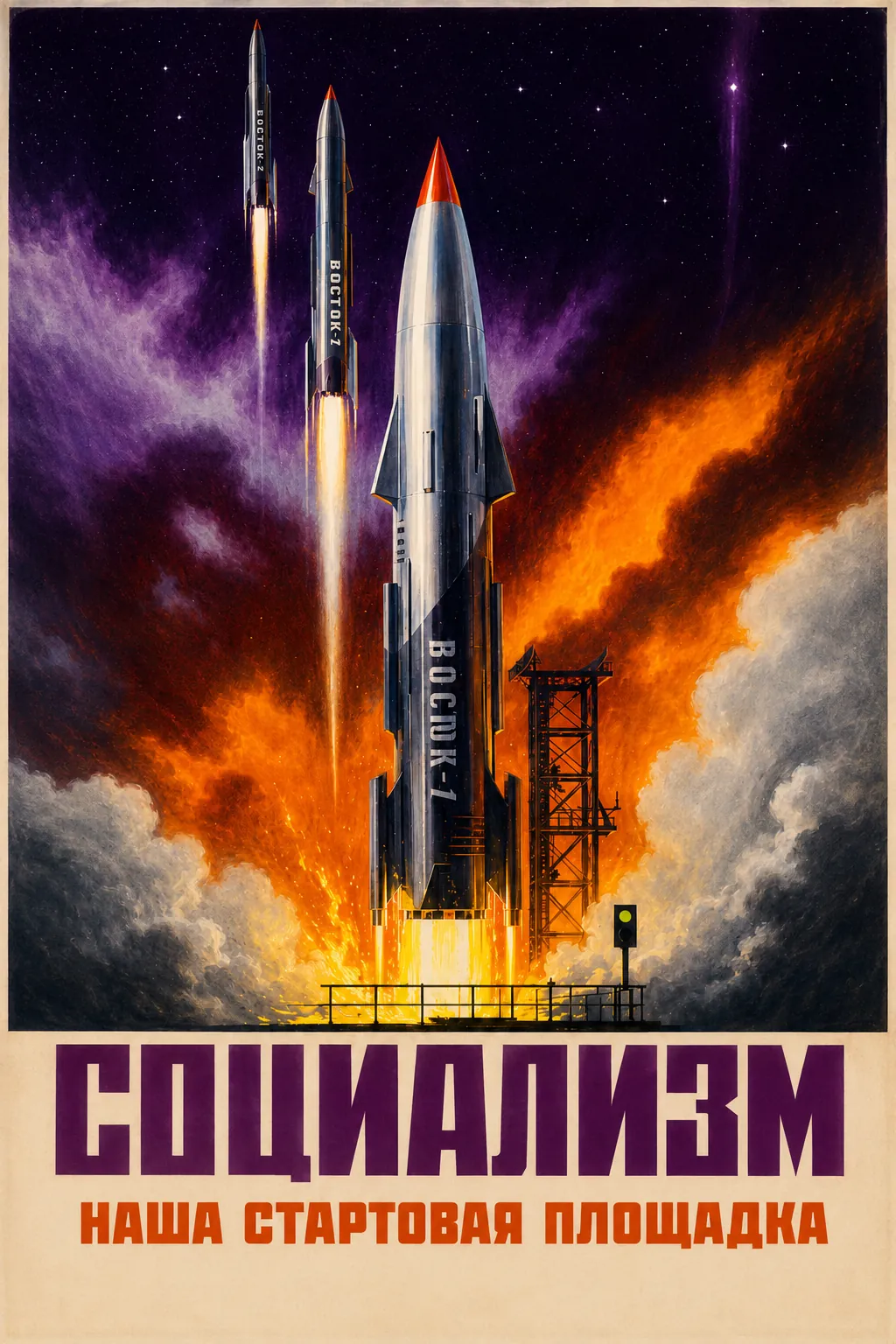
His contributions were crucial to the success of many Soviet space missions, including the launch of the first satellite Sputnik, the Vostok human spaceflight program, and numerous lunar and planetary unmanned probes. Keldysh's mathematical expertise helped ensure the precision needed for these pioneering space missions.
Scientific Leadership
From 1961 to 1975, Keldysh served as President of the USSR Academy of Sciences, where he helped shape Soviet scientific policy and promoted space research against the backdrop of the broader Cold War context. He established the Institute of Applied Mathematics, which became a key center for solving complex problems in spaceflight mechanics and control.
Keldysh died on June 24, 1978, having made fundamental contributions to both theoretical mathematics and practical spaceflight. His legacy lives on in the mathematical principles and computational methods still used in space mission planning today.